

Uncovering the Surprising Link: How Deer Became a COVID Vector for Humans
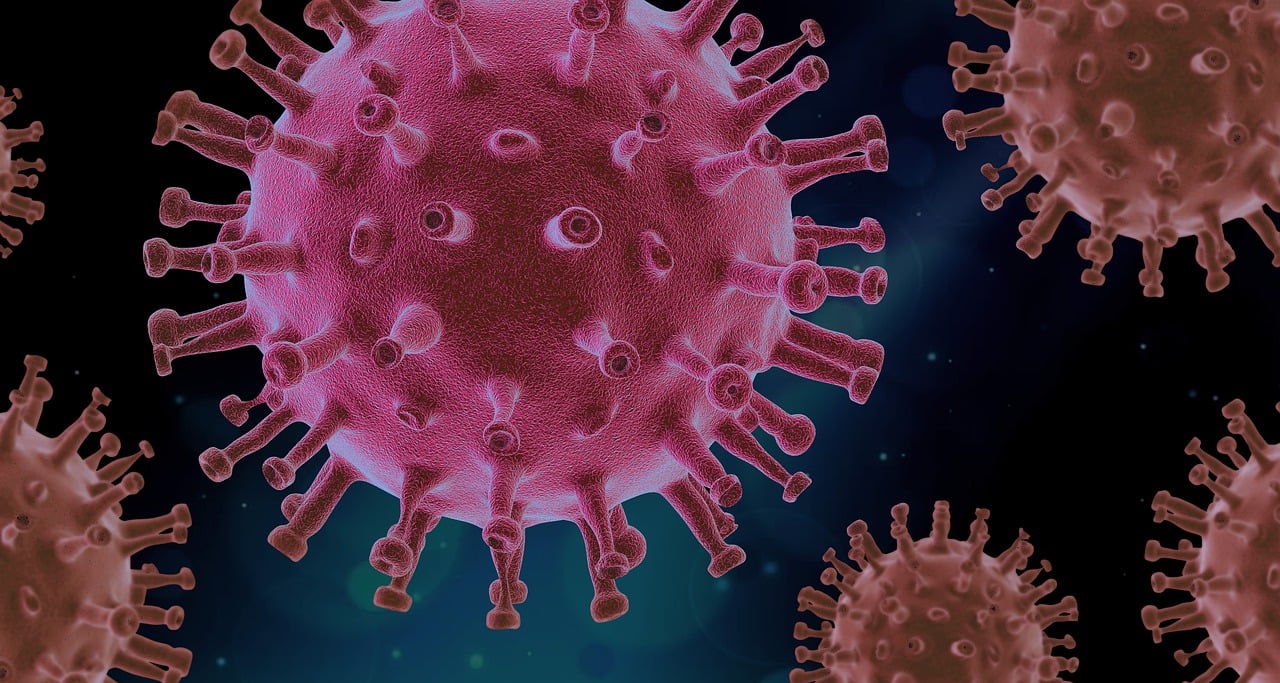
In the midst of the global pandemic, it seems like every day brings new revelations and unexpected connections. One such revelation is the surprising link between deer and COVID-19 transmission to humans. While it may seem unlikely at first, recent studies have shed light on the role that deer can play as a vector for the virus. As these majestic creatures roam freely in our neighborhoods and parks, they also carry the potential to carry and transmit the virus to humans. This revelation has sparked a wave of interest and concern among researchers, wildlife enthusiasts, and the general public. In this article, we will explore the fascinating details of how deer became a COVID vector, the implications for public health, and what measures can be taken to mitigate the risks. Join us as we delve into this unexpected connection and uncover the hidden dangers lurking in our natural surroundings.
The role of animals in the transmission of diseases
Throughout history, animals have played a significant role in the transmission of diseases to humans. From the plague carried by rats to the avian flu transmitted by birds, the animal-human interface has proven to be a breeding ground for pathogens. This is due to the close proximity between humans and animals, as well as the potential for direct or indirect contact with bodily fluids, contaminated surfaces, or consumption of infected meat.
In the case of COVID-19, the initial focus was on bats as the primary source of the virus. However, it is now becoming increasingly clear that other animals can also serve as vectors for its transmission. One such animal is the deer, which has recently emerged as an unexpected carrier of the virus.
Deer are commonly found in various parts of the world, including North America, Europe, and Asia. They are known for their graceful presence in our natural surroundings, often observed peacefully grazing in parks and forests. However, beneath their serene appearance lies a hidden danger that has caught the attention of scientists and health experts alike.
How deer became a potential COVID-19 vector
The journey of how deer became a potential COVID-19 vector starts with the fact that they can become infected with the virus. While it was initially believed that only humans and certain animals, such as dogs and cats, could contract COVID-19, recent studies have shown that deer can also be susceptible to the virus.
Scientists have discovered that deer can become infected through close contact with infected humans or other animals. This can occur when infected respiratory droplets are inhaled by the deer or through contact with infected surfaces, such as grass or plants. Once infected, deer can carry the virus and potentially transmit it to other deer or even humans.
The potential for deer to transmit the virus to humans is particularly concerning due to their close proximity to residential areas. As urbanization continues to encroach upon natural habitats, deer have adapted to living in closer proximity to humans. This creates a higher risk of transmission, as humans come into more frequent contact with these animals, either directly or through contact with contaminated surfaces.
Scientific evidence supporting the link between deer and COVID-19
Scientific evidence supporting the link between deer and COVID-19 transmission is still emerging, but there have been several notable studies that have shed light on this connection. One such study conducted in the United States found that a significant percentage of deer populations tested positive for the virus, indicating that they can indeed become infected.
In addition to testing positive for the virus, researchers have also found evidence of viral shedding in deer. This means that infected deer can release the virus into the environment, further increasing the risk of transmission to other animals or humans. The presence of viral shedding in deer highlights the potential for these animals to act as amplifiers of the virus, contributing to its spread in certain regions.
Furthermore, genetic sequencing of the virus found in deer has shown similarities to the strains circulating in humans. This suggests that there is a direct link between the deer and human transmission chains, further reinforcing the role of deer as potential COVID-19 vectors.
The impact of deer on the spread of the virus
The impact of deer on the spread of the virus cannot be underestimated. As these animals roam freely in our neighborhoods, parks, and even agricultural areas, they can easily come into contact with humans and potentially transmit the virus. This is particularly concerning in areas where deer populations are high and human-deer interactions are frequent.
One of the main ways in which deer contribute to the spread of the virus is through indirect contact. When deer graze on vegetation, they can shed the virus onto plants and grass, which can then be touched or consumed by humans. This poses a significant risk, as the virus can remain viable on surfaces for varying periods of time, depending on environmental conditions.
Additionally, deer can also serve as direct sources of transmission through respiratory droplets. When infected deer exhale or cough, respiratory droplets containing the virus can be released into the air, potentially infecting nearby humans. This risk is heightened in situations where humans come into close contact with deer, such as during feeding or when attempting to approach them for observation or photography.
Preventive measures to reduce the risk of transmission from deer
To mitigate the risk of COVID-19 transmission from deer, several preventive measures can be implemented. Firstly, it is crucial to raise public awareness about the potential dangers associated with deer and COVID-19. This can be achieved through educational campaigns, signage in parks and recreational areas, and outreach to communities living in close proximity to deer habitats.
In addition, it is important to discourage direct contact with deer. Feeding deer, while seemingly harmless, can increase the risk of transmission as it brings humans into close proximity with the animals. Encouraging responsible wildlife viewing practices, such as observing deer from a safe distance and refraining from touching or feeding them, can help reduce the risk of transmission.
Furthermore, maintaining good hygiene practices is essential. This includes washing hands thoroughly after coming into contact with potentially contaminated surfaces, such as grass or plants in areas frequented by deer. Wearing gloves while gardening or engaging in outdoor activities in deer-populated areas can also provide an additional layer of protection.
The importance of wildlife management in controlling disease outbreaks
The link between deer and COVID-19 transmission highlights the importance of effective wildlife management in controlling disease outbreaks. As the human population continues to expand and encroach upon natural habitats, the potential for zoonotic diseases to emerge and spread increases.
Wildlife management strategies need to be implemented to minimize the risk of disease transmission from animals to humans. This includes monitoring and surveillance of wildlife populations, implementing measures to reduce human-wildlife interactions, and conducting research to better understand the dynamics of disease transmission in wildlife.
Additionally, wildlife conservation efforts must go hand in hand with disease prevention. By protecting and preserving natural habitats, we can help maintain a balance between humans and wildlife, reducing the likelihood of disease spillover events. This requires collaboration between conservation organizations, governments, and local communities to ensure the long-term health and well-being of both humans and animals.
Case studies and real-life examples of deer-related COVID-19 cases
While the link between deer and COVID-19 transmission is still being explored, there have been several real-life examples that highlight the potential risks associated with deer. In one case, a group of individuals who regularly fed deer in their backyard contracted COVID-19, leading to speculation that the deer may have been the source of the infection.
Similarly, in another instance, a deer farm experienced an outbreak of COVID-19 among its herd. It is believed that the virus was introduced by an infected human working on the farm, highlighting the potential for transmission between humans and deer in close proximity.
These case studies serve as a reminder of the need to exercise caution when interacting with wildlife, particularly in areas where deer populations are high. While the risk of transmission may be relatively low, it is important to recognize and address the potential dangers to protect public health.
Addressing misconceptions and common myths about deer and COVID-19
As with any emerging topic, there are bound to be misconceptions and common myths surrounding the link between deer and COVID-19. One common misconception is that all deer are carriers of the virus. While it is true that deer can become infected, not all individuals within a population will necessarily carry the virus.
Another myth is that deer pose a significant risk of transmission compared to other animals. While deer can potentially transmit the virus, the risk of transmission from other animals, such as domestic pets or livestock, may be higher due to their closer proximity to humans on a daily basis.
It is important to address these misconceptions and myths through accurate and evidence-based information. By providing clear and concise explanations, the public can make informed decisions and take appropriate precautions to protect themselves and minimize the risk of transmission.
Conclusion: The need for further research and awareness in managing disease transmission from wildlife
The surprising link between deer and COVID-19 transmission serves as a stark reminder of the complex relationship between humans and animals. While we may enjoy the beauty and presence of deer in our natural surroundings, it is crucial to recognize the potential risks they pose as disease vectors.
Further research and awareness are needed to better understand the dynamics of disease transmission from wildlife to humans. This includes studying the prevalence of the virus in deer populations, investigating the mechanisms of transmission, and identifying effective preventive measures.
In the meantime, it is important for individuals to exercise caution when interacting with deer or visiting areas frequented by these animals. By following the recommended preventive measures, we can reduce the risk of COVID-19 transmission and protect both human and wildlife populations.
As we continue to navigate the challenges of the global pandemic, it is essential to remain vigilant and adaptable in our approach to managing disease transmission. By working together and staying informed, we can minimize the impact of COVID-19 and other zoonotic diseases, while still appreciating the beauty and diversity of our natural world.
Write your comment here
We are ready to see and respond to your comments and any questions you may have